

Veal. Lean, mild, unforgiving.
Veal is younger, leaner, and milder than beef, with a delicate texture that rewards precision and punishes neglect. Where a ribeye forgives a few extra minutes, a veal chop turns chalky fast — there's simply less intramuscular fat to carry the heat.
For chops, cutlets, and tenderloin, medium is the target most cooks should hit: rosy, juicy, still tender. For shanks and shoulder, push deep into BBQ-tender range, where collagen melts into the silky, spoon-tender texture that defines osso buco and slow-braised ragùs.
Pull · Final · Rest
Temperatures worth knowing
Medium Rare
Target 135°F / 57°C
Pull at 130°F / 54°C · Rest 4–6 min
Deep rose center, soft and supple. Best reserved for premium tenderloin or thick-cut loin chops from a trusted source.
Medium
Target 145°F / 63°C
Pull at 140°F / 60°C · Rest 4–6 min
The sweet spot. Pale pink center, juices running clear-pink, the muscle still yielding.
Medium Well
Target 155°F / 68°C
Pull at 150°F / 66°C · Rest 8–10 min
Faint blush near the bone, firmer bite. A safer target for roasts where even cooking matters most.
Well Done
Target 165°F / 74°C
Pull at 160°F / 71°C · Rest 8–10 min
Fully opaque, no pink. Demands sauce, jus, or a glossy pan reduction to keep the plate from going dry.
BBQ Tender
Target 205°F / 96°C
Pull at 200°F / 93°C · Rest 30 min
Collagen fully rendered, meat slipping from the bone. The only correct destination for shanks, shoulder, and breast.
A note on carryover
Veal carries over much like beef — expect 4–6°F of residual cooking after pulling, more for thick roasts, less for thin cutlets. The catch: because veal is so much leaner, the window between perfectly cooked and dry is narrower. Pulling 5°F early and trusting the rest is non-negotiable. A probe thermometer is the difference between a juicy chop and a regrettable one.
5 cuts
By cut
Veal Rib or Loin Chop
Pan sear · Quick
Thick, bone-in chops with the cleanest veal flavor. Sear hard in butter and oil, baste with thyme and garlic, finish in the oven if needed.
Pull at 140°F · Medium
Veal Cutlets (Scaloppine)
High heat · Quick
Pounded thin for fast cooking. Dredge lightly, sear no more than 60–90 seconds per side, then build a pan sauce while the meat rests.
Pull at 140°F · Medium
Veal Tenderloin
Roast · Whole
The leanest, most delicate cut on the animal. Sear whole, roast gently, slice into medallions. This is the one cut where medium-rare genuinely shines.
Pull at 130°F · Medium Rare
Osso Buco / Veal Shanks
Low & slow · Braise
Cross-cut shanks built for the long haul. Brown deeply, braise in wine and stock for two to three hours until the marrow loosens and the meat surrenders.
Pull at 200°F · BBQ Tender
Veal Shoulder
Low & slow · Braise
Working muscle, rich in collagen, made for slow heat. Braise whole for a Sunday roast or cube for ragù and stews that gain depth with time.
Pull at 200°F · BBQ Tender
Common questions
What temperature is veal done at?
Veal is safely cooked at an internal temperature of 145°F, with a three-minute rest, per USDA guidance. For best texture, pull chops and cutlets at 140°F and let carryover bring them up. Shanks and shoulder are a different animal — push to 200°F for proper braised tenderness.
Can you eat veal medium-rare?
Yes, provided the cut is whole-muscle and sourced from a reputable supplier. Loin, rib chops, and tenderloin can be served at 130–135°F. Ground veal, however, must always be cooked to 160°F to be safe.
What's the difference between veal and beef cooking?
Veal is leaner, milder, and more delicate. It cooks faster, dries quicker, and benefits from gentler heat and tighter temperature control. Where beef forgives, veal does not — a probe thermometer matters more here than almost anywhere else.
How do you cook veal so it doesn't dry out?
Pull it early. Veal has little intramuscular fat, so a few degrees past target turns juicy into chalky. Sear hard for color, finish at moderate heat, rest properly, and serve with a sauce or pan jus to lock in moisture.
Is veal safe to eat slightly pink?
Yes. A pink center on whole-muscle veal chops or roasts is both safe and desirable once the meat hits 145°F internal with a brief rest. Pink does not mean undercooked — it means the muscle still holds its juice.
Guided cooks from CHEF iQ®
Cook veal with the iQ App
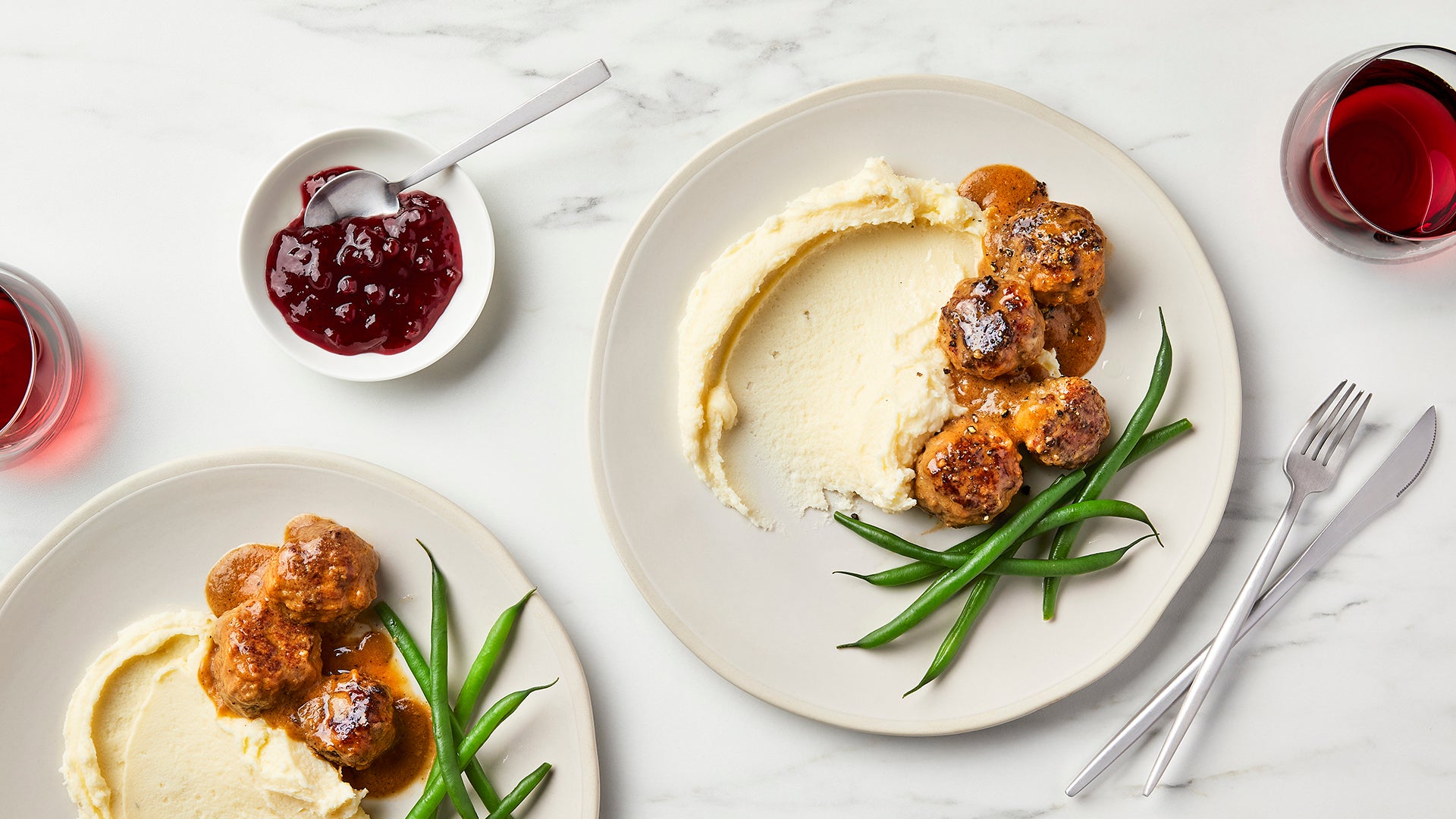
Swedish Meatballs
Skip the furniture store trip—make these creamy meatballs at home instead. A splash of vinegar cuts through the rich gravy perfectly. Use meatloaf mix (beef, pork, and veal), or substitute equal parts ground beef and pork if needed.
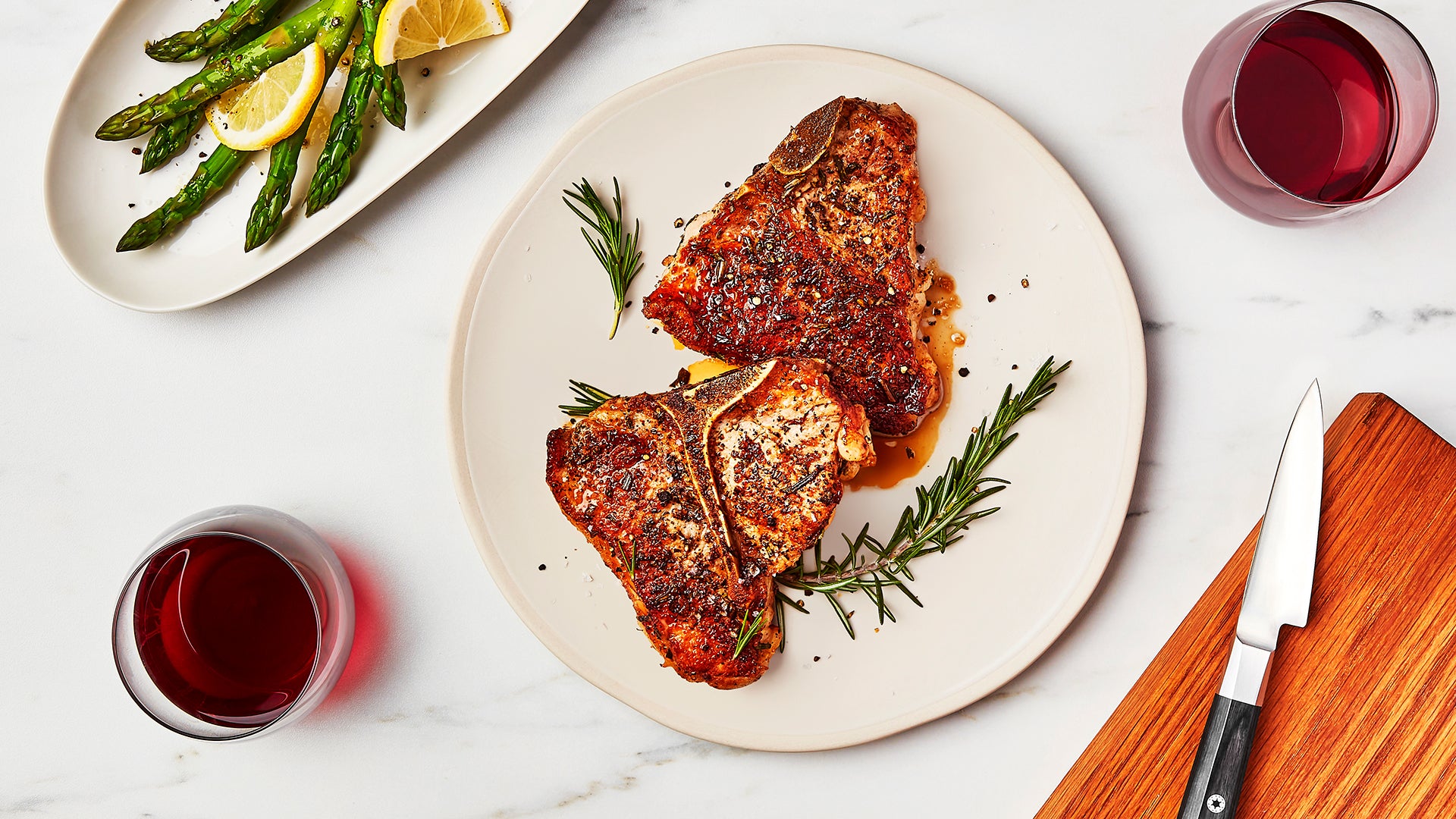
Simple Seared Veal Chops
Starting the chops on the stove gives them a delicious, dark crust. Finishing them in the more gentle heat of the oven keeps them nice and juicy.
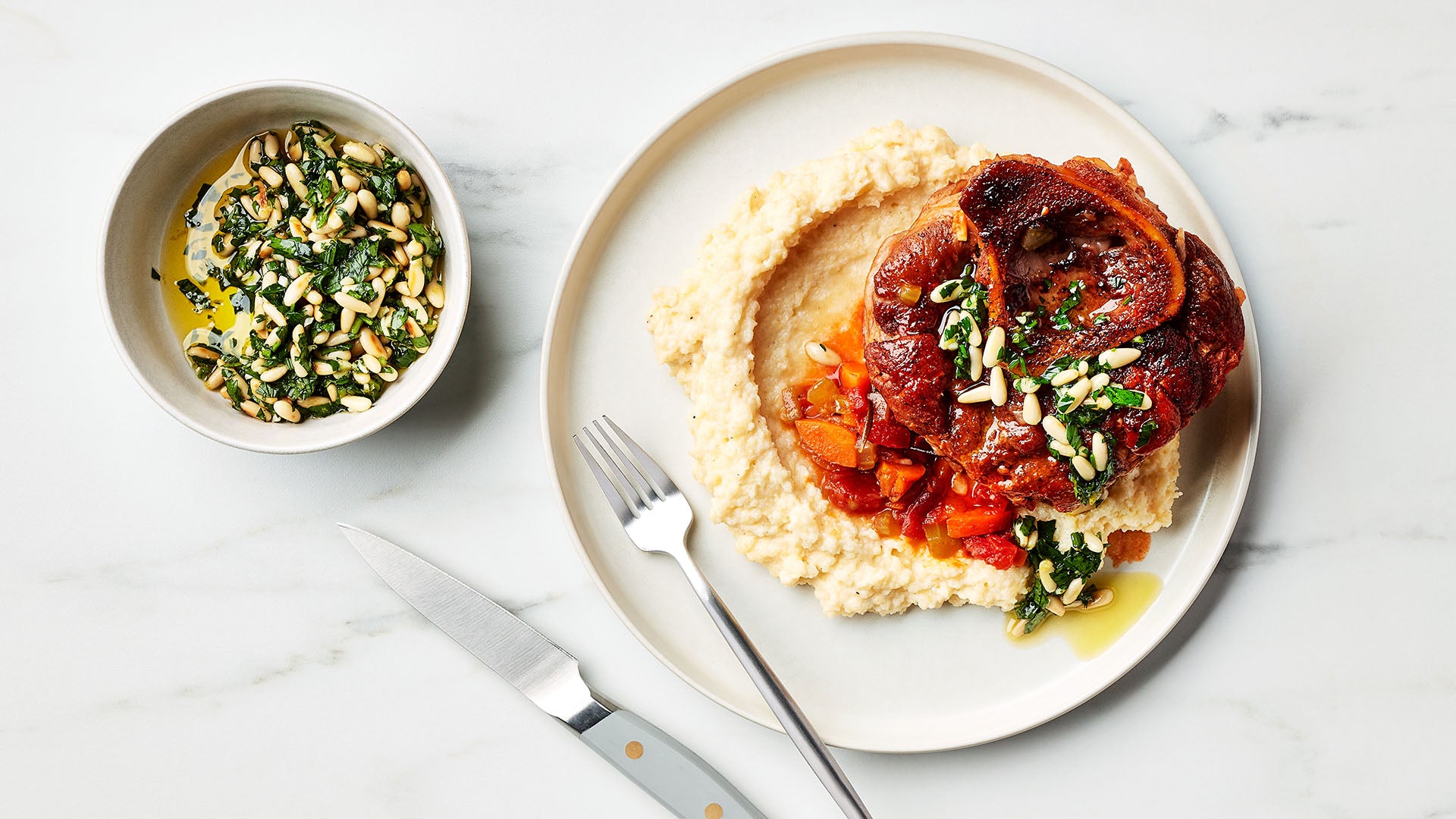
Osso Buco with Gremolata
This classic Italian braised dish makes a special dinner for two. Do not be tempted to skip the gremolata. The simple accompaniment brightens up the rich dish.

