

White meat. Tight margins.
White meat's the trickiest poultry to nail. It's lean, low in collagen, and lacks the forgiving fat that makes thighs nearly impossible to mess up. Chicken and turkey breast turn chalky the instant they overshoot. The window between safe and dry is razor-thin — sometimes just ten degrees.
The USDA requires 165°F to kill salmonella, but breast meat starts losing moisture well before that. The answer isn't lower heat; it's precision. Pull it early, rest it deliberately, and let carryover cooking finish the work.
Pull · Final · Rest
Temperatures worth knowing
Well Done
Target 165°F / 74°C
Pull at 158°F / 70°C · Rest 5–10 min
Opaque ivory flesh, fibers tender, juices run clear with a faint golden tint.
A note on carryover
Chicken and turkey breast typically rise 5–7°F during rest, depending on size and cooking method. A whole roasted bird can climb closer to 10°F. Because white meat has so little intramuscular fat to buffer heat damage, every degree past 165°F accelerates moisture loss. Pulling early is not optional for lean cuts — it is the difference between a breast that slices cleanly and one that crumbles into shreds.
4 cuts
By cut
Bone-in Skin-on Breast
Pan sear · Quick
The skin renders into a crisp lacquer while the bone insulates the meat from below, slowing the cook and protecting against overshoot. Sear skin-side down, then finish in the oven.
Pull at 158°F · Well Done
Boneless Skinless Breast
Pan sear · Quick
The most punishing cut to cook well — no skin, no bone, no fat buffer. Pound to even thickness, sear hard, and pull the instant the probe hits target.
Pull at 157°F · Well Done
Whole Chicken
Roast · Whole
Probe the thickest part of the breast, not the thigh, since white meat finishes first. Spatchcocking flattens the bird so breast and leg reach their targets in sync.
Pull at 158°F · Well Done
Whole Turkey Breast
Reverse sear · Roast
Low and slow until 150°F internal, then crank the oven to crisp the skin. The gentle climb gives you a wider margin before the breast tips into dry.
Pull at 160°F · Well Done
Common questions
What temperature should chicken breast be cooked to?
The USDA safe internal temperature is 165°F. For best results, pull the meat from heat at 158–160°F and let carryover finish the cook during a 5–10 minute rest. This protects juiciness while still hitting the safety threshold.
Why does my chicken breast always come out dry?
You are almost certainly overcooking it — most home cooks pull at 165°F, which means serving at 170°F or higher after carryover. White meat starts shedding moisture above 150°F, so even a few extra degrees turns it chalky. A probe thermometer and an early pull solve it.
Is 165°F really necessary or just a guideline?
165°F is the temperature at which salmonella and campylobacter are killed instantly. It is a safety target, not a quality target. Lower temperatures can be equally safe if held long enough — the USDA itself publishes time-and-temperature tables confirming this.
How do you know when chicken is done without a thermometer?
You do not, reliably. Visual cues — clear juices, firm flesh, opaque interior — correlate roughly with doneness but fail often enough to cause illness or overcooked meat. For a cut this unforgiving, a thermometer is the only honest answer.
Can you cook chicken to a lower temp safely (sous vide)?
Yes. Salmonella is killed instantly at 165°F, but it also dies at 150°F held for about 3 minutes, or 140°F held for roughly 30 minutes. Sous vide leverages this — chicken cooked at 145°F for an hour is pasteurized, food-safe, and dramatically more tender than anything pulled at 165°F.
Guided cooks from CHEF iQ®
Cook white meat poultry with the iQ App
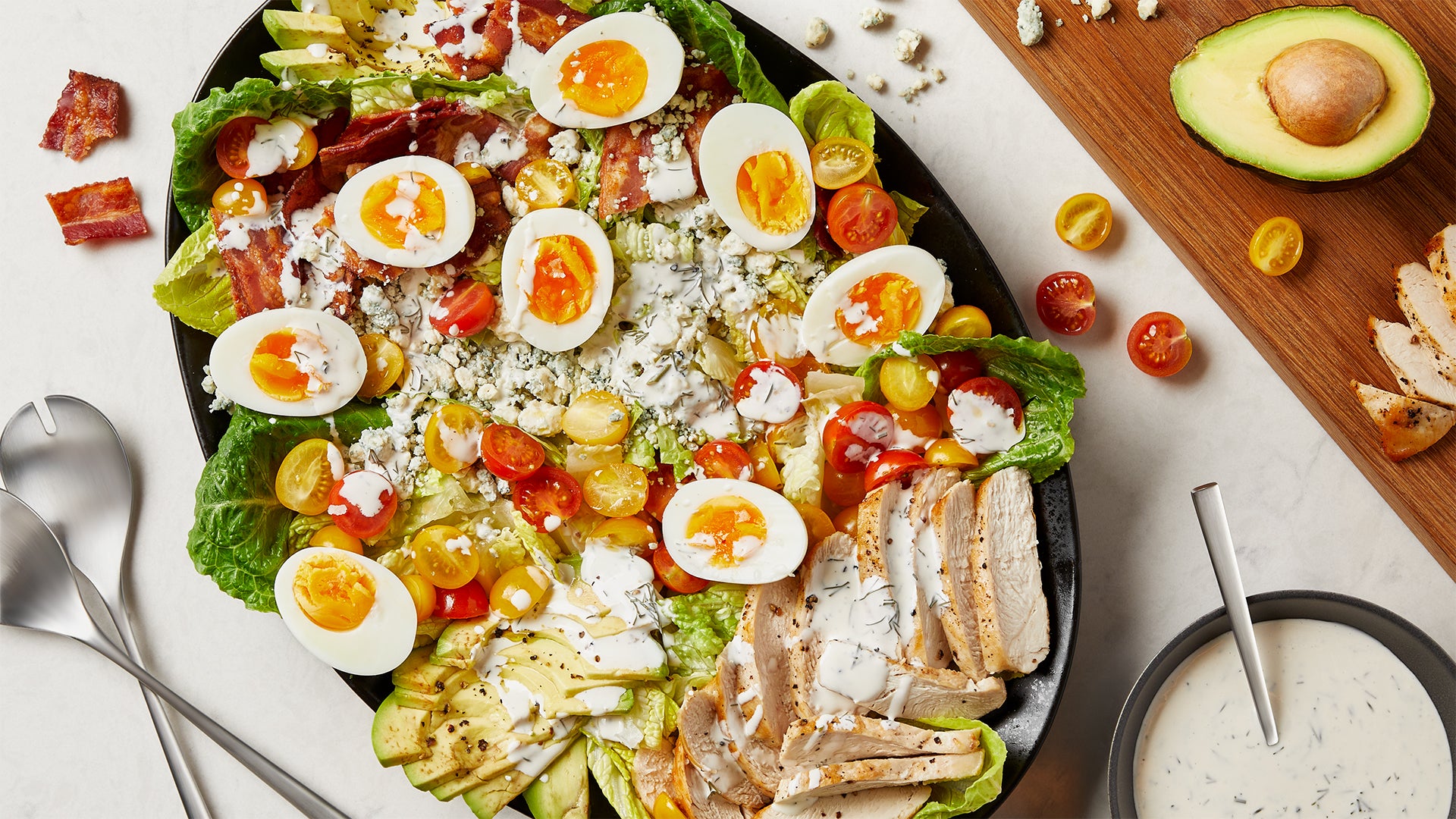
Cobb Salad
There are few salads that make a meal as well as a Cobb, with its sliced roasted chicken, crisp bacon, juicy tomatoes, and zingy blue cheese in a creamy dressing. You can serve it family-style on a large platter as we do here, or make up individual plates of a composed salad for person.
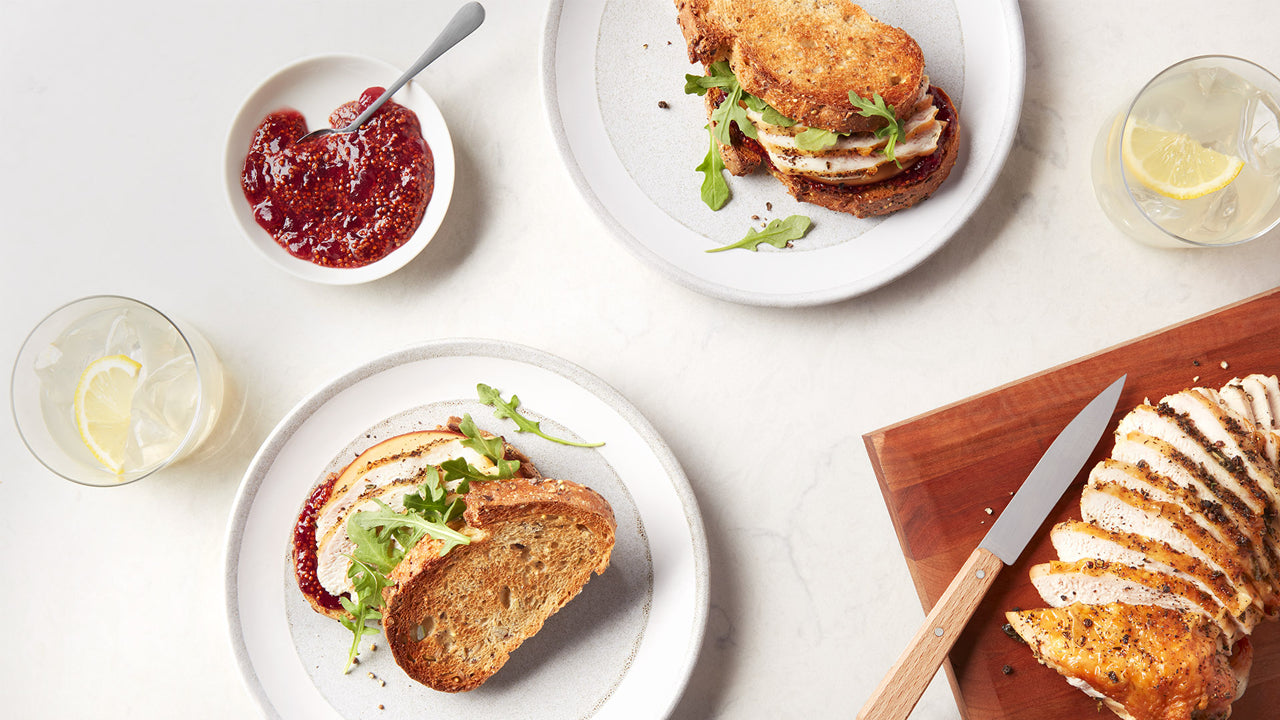
Roasted Turkey Sandwich
There are few salads that make a meal as well as a Cobb, with its sliced roasted chicken, crisp bacon, juicy tomatoes, and zingy blue cheese in a creamy dressing. You can serve it family-style on a large platter as we do here, or make up individual plates of a composed salad for person.
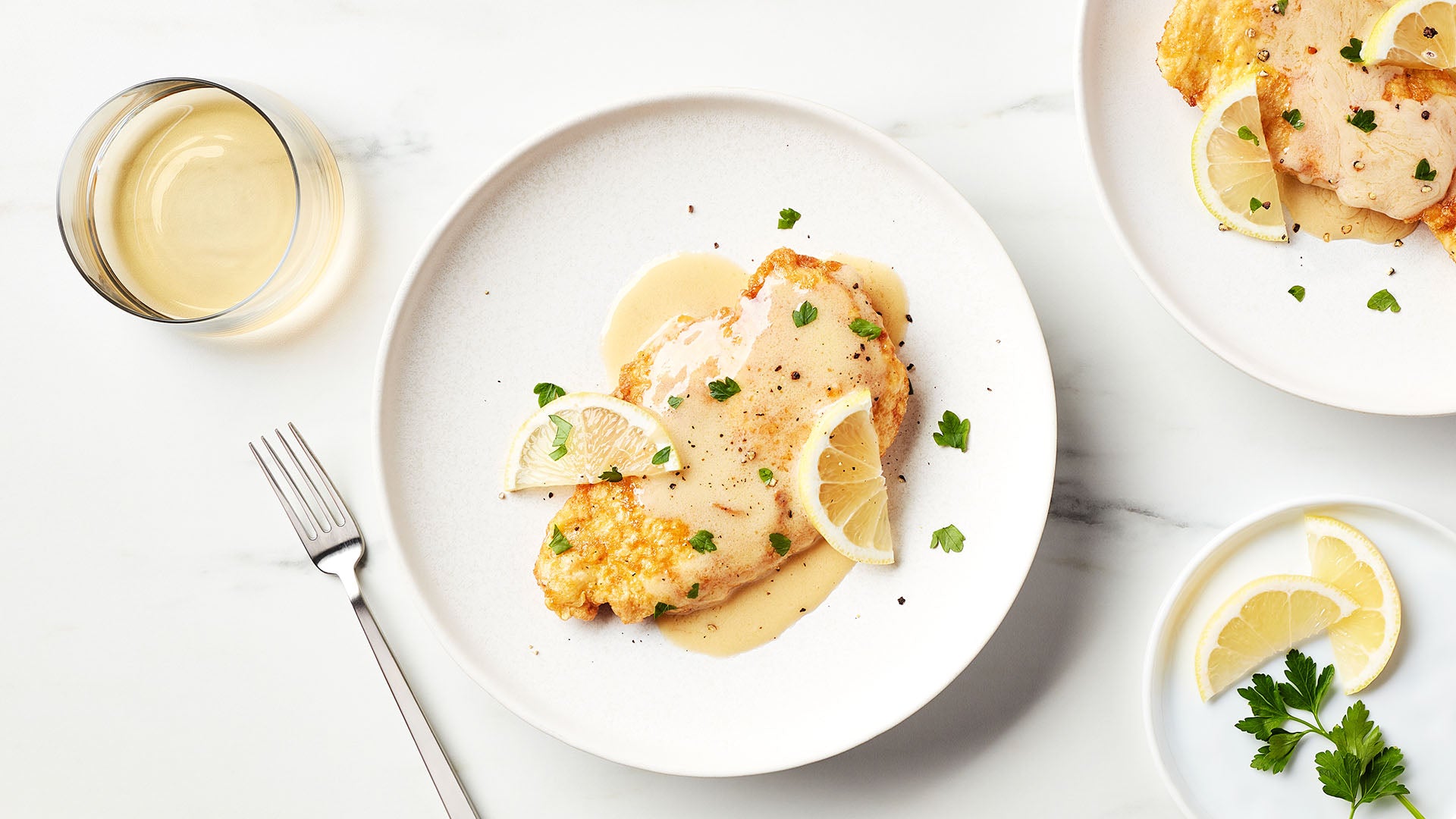
Chicken Francese
This Italian-American favorite features a delicate egg coating that turns light and fluffy when cooked, creating a tender, golden exterior. The dish is finished with a buttery white-wine pan sauce that's surprisingly simple to make at home. The combination of crispy breading and silky sauce makes this a restaurant-quality meal you can prepare on any weeknight.

