

Dark meat. Cook it hotter.
Dark meat is the forgiving cousin of white meat. Where chicken breast turns chalky a few degrees past doneness, thighs, drumsticks, and duck legs reward patience and heat.
The reason is structural: dark meat carries more fat and far more collagen, the connective tissue that holds working muscles together. At the USDA-safe 165°F, that collagen is still tight and rubbery. Push to 180°F and it begins to melt into gelatin, basting the meat from the inside. The result is silky, juicy, and nearly impossible to dry out. With dark meat, hotter is better.
Pull · Final · Rest
Temperatures worth knowing
Well Done
Target 180°F / 82°C
Pull at 175°F / 79°C · Rest 5–10 min
Fully rendered fat, gelatinous collagen, meat pulls cleanly from the bone.
A note on carryover
Expect a carryover rise of 5–8°F after pulling, depending on size and cooking method. Whole birds and bone-in cuts ride the higher end of that range. The good news: dark meat is forgiving. A few degrees of overshoot won't dry it out the way it would a breast — the rendered fat and gelatin keep the meat moist well past target. Pull at 175°F and let physics finish the job.
4 cuts
By cut
Bone-in Skin-on Thighs
Roast · Whole
The workhorse of weeknight cooking. Roast skin-side up at high heat to crisp the fat cap while the meat slowly climbs to a silky finish.
Pull at 175°F · Well Done
Chicken Drumsticks
Grill · Medium
All dark meat, all collagen, built for fire. Medium-heat grilling renders the skin without scorching it and gives the connective tissue time to soften.
Pull at 175°F · Well Done
Whole Chicken (Dark Meat Focus)
Roast · Whole
When roasting a whole bird, the thigh is the cut that dictates doneness. Probe the deepest part of the thigh, avoiding the bone, and let the breast ride along.
Pull at 175°F · Well Done
Duck Legs
Confit · Slow
Rich, dense, and deeply flavored. Slow-cooked in their own fat until the meat surrenders, duck legs are the textbook case for cooking dark meat well past safe.
Pull at 175°F · Well Done
Common questions
What temperature should chicken thighs be cooked to?
Pull bone-in thighs at 175°F and let them rest to a final temperature of 180°F. While 165°F is technically safe, thighs are noticeably more tender and flavorful at 180°F because the collagen has had time to break down into gelatin.
Why do chicken thighs need a higher temperature than chicken breast?
Thighs are working muscles, packed with collagen-rich connective tissue that only renders above 170°F. Breasts have very little collagen, so they peak in tenderness right at 150–160°F. Cooking both cuts to the same temperature shortchanges one of them.
Is it safe to cook chicken to 180°F?
Yes. The USDA minimum of 165°F is the floor, not the ceiling. Going higher is a textural choice, not a safety risk. For dark cuts, 180°F is where the meat actually tastes its best.
How do you know chicken thighs are done?
Use an instant-read thermometer in the thickest part of the thigh, away from the bone, and look for 175–180°F. Visual cues help too: the juices should run clear, the meat should pull easily from the bone, and the skin should be deeply browned.
What's the difference between dark meat and white meat cooking?
Dark meat is built for endurance — more fat, more collagen, more myoglobin — and rewards longer cooking at higher final temperatures. White meat is lean and fast-twitch, so it dries out quickly and needs to be pulled the moment it hits 155–160°F. Same bird, two completely different targets.
Guided cooks from CHEF iQ®
Cook dark meat with the iQ App
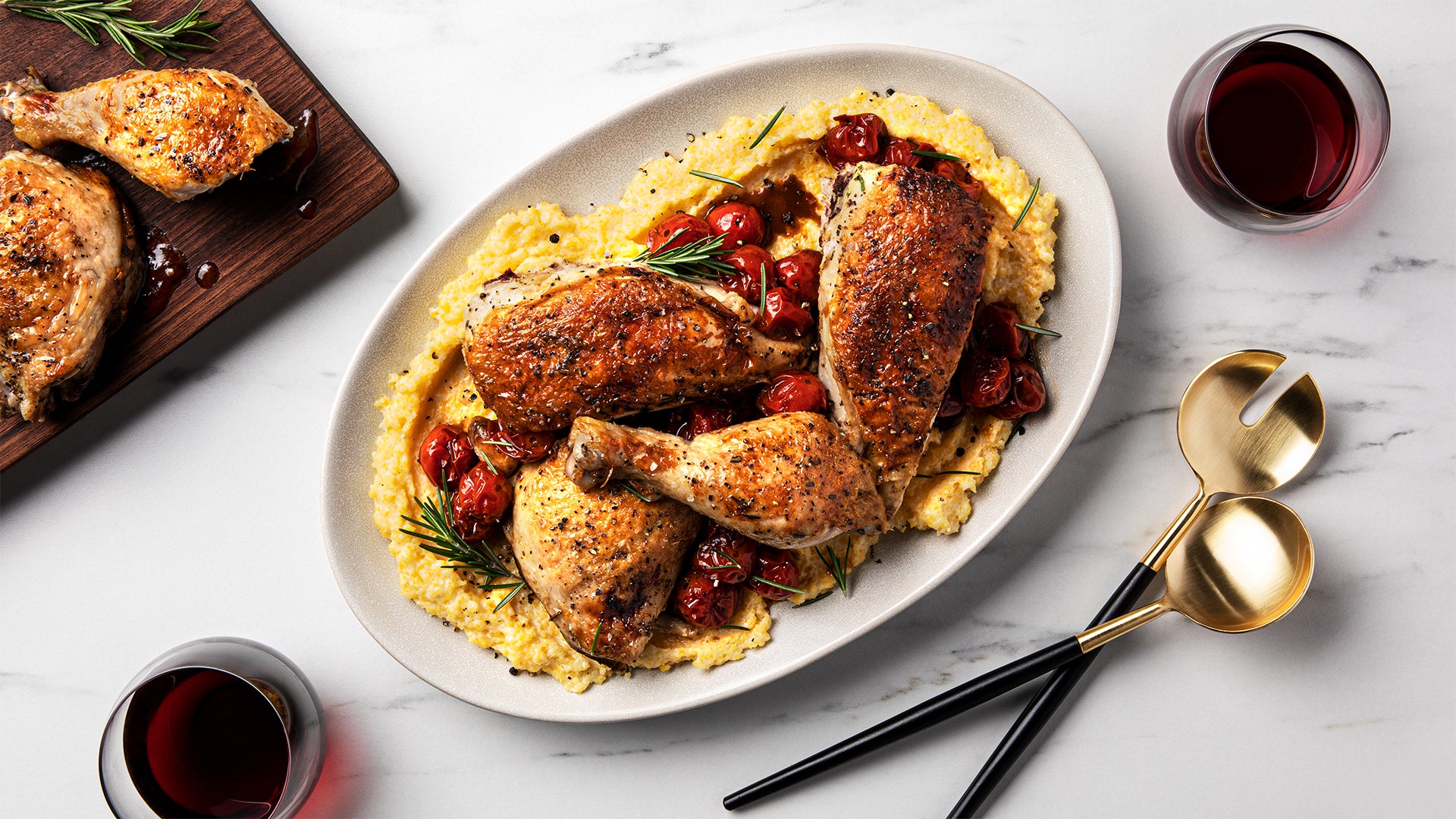
Cast-Iron Roasted Chicken with Rosemary-Tomato Pan Sauce
Spatchcocking, or removing the bird's backbone and pressing it flat, helps the chicken make more contact with the super-hot cast-iron, developing more flavor and crisping up the skin. You may find chicken sold already spatchcocked in your supermarket, but if not, it's easy to do yourself.
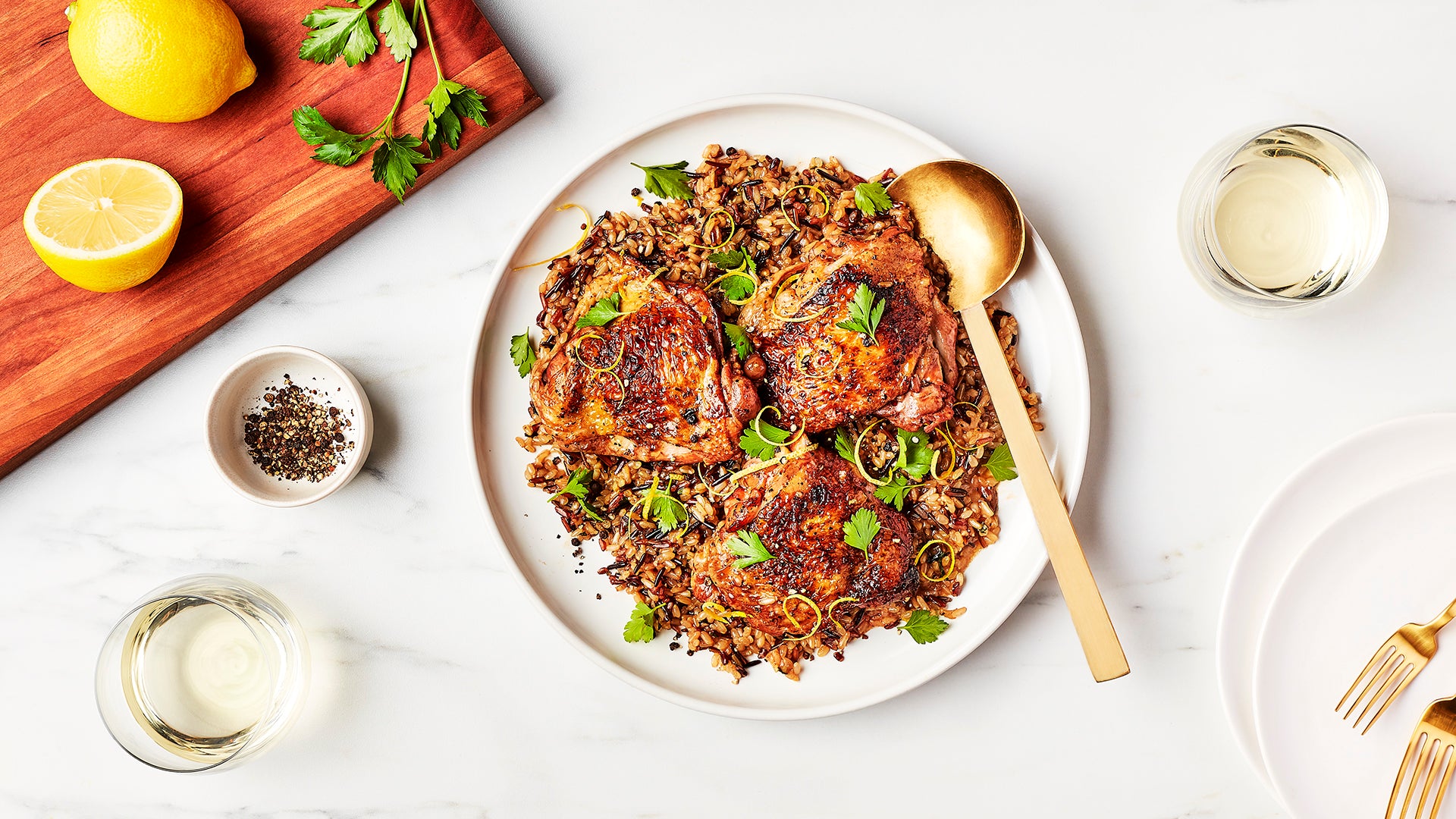
Lemon Pepper Chicken with Wild Rice
This homey all-in-one meal livens up the usual chicken-and-rice formula by swapping in a rustic blend of wild and brown rice and adding a good dose of tangy lemon flavor. Since the salt content of lemon pepper seasoning can vary among brands, you may want to season to taste with salt before serving.
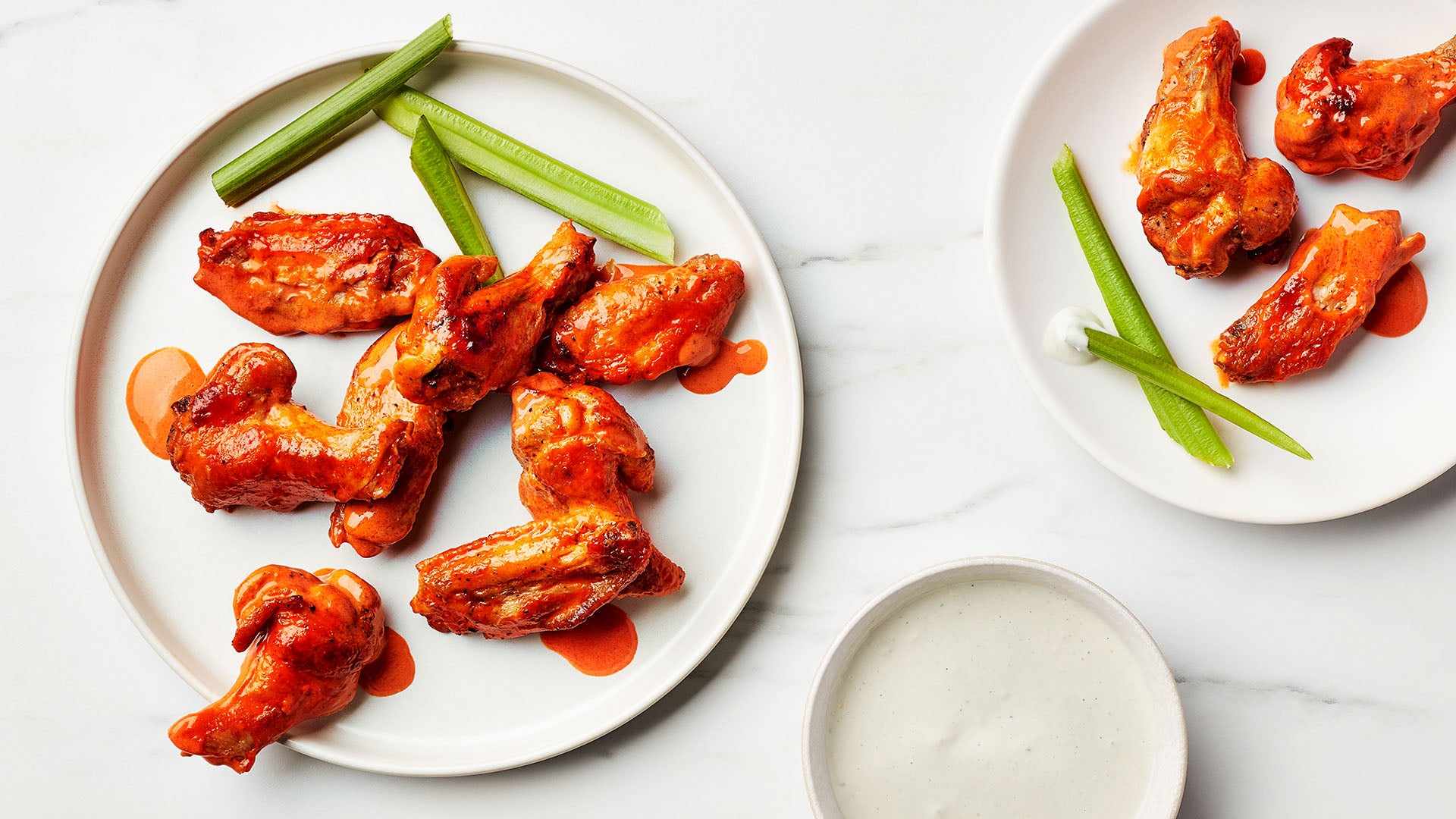
Buffalo Ranch Chicken Wings
In this delicious twist on classic Buffalo wings, we add ranch dressing to the spicy, buttery sauce for a note of mellow, garlicky creaminess. As with traditional wings, they're terrific paired with crisp celery.

